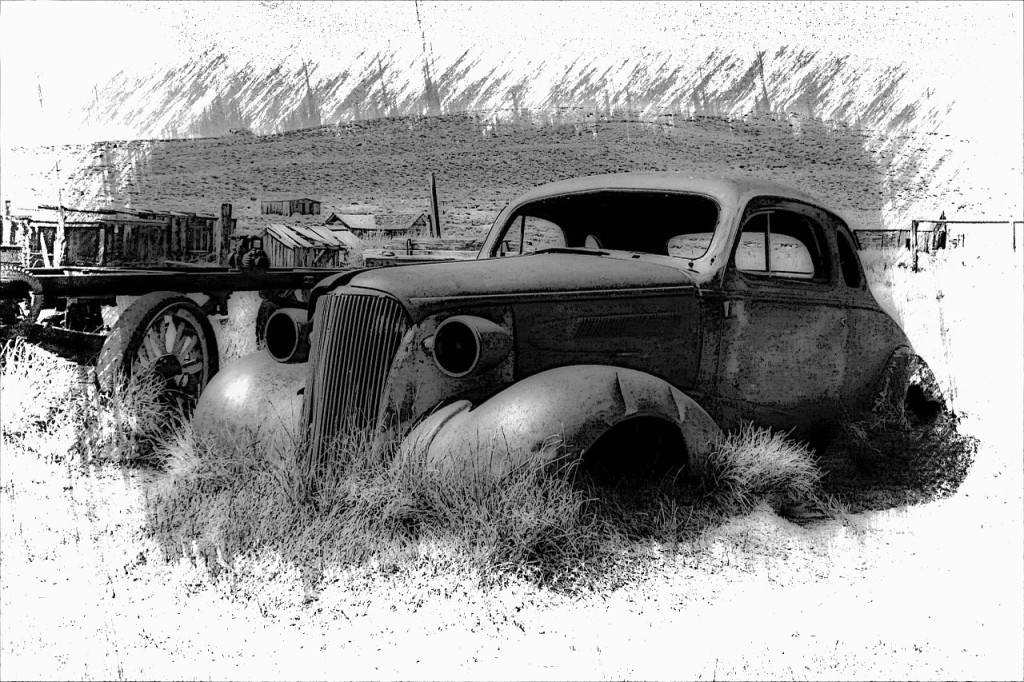
When I see an abandoned house or car, I don’t see junk. I see stories. Legacies once lived in now empty rooms and under rusty chassis.
Does it feel like I’m telling you what to do? If it sounds bossy, that’s not my intent – I’m not trying to make you conform to my “rules.” The ideas you’ve read and the ones ahead are intended as suggestions. Do I believe you need a degree of commitment? Yes. And I’m hoping what I write here will help you create your own process.
Before you move into this chapter, have you written about the memory you believe is the ONE you want to leave most of all? If not, please write it now. Write fast. Don’t think, stop, or edit. Set the words intentionally onto the page the way you put your glasses on, set the table for dinner, or choose a certain song to listen to while you walk, or clean, or drive, or whatever.
After you write this story, you might want to polish it. Or not – that’s up to you. Just the way you discovered your writing process, you will do the same in the editing/polishing phase.
When it comes to Legacy writing, here’s what works for me. It is one way, not the way.
- I write with as much abandon as I can – this is sometimes hard and can mean I’ll want to dig deeper later, but for now, I just get what I can on the pages and consider the rest later. Because there are times we try to hide the whole story – even from ourselves. That’s normal and happens to most of us.
- After an intense writing session, I take a break. In warm weather, my dogs enjoy unscheduled rides with me on our John Deere Gator. If I’m working at my away office, I pace for a few minutes sipping on a cup of coffee. A fifteen-minute nap has also been effective in renewing me enough to return to my story. These small time outs give me the freshness I need. If the story was a difficult one, I might take a much longer pause from the project. A day or a week is not unheard of. No one can decide this for you. I take the break I need and return to my Legacy when I am ready on a gut level.
Have you ever heard of the Pomodoro Method? After years of pushing myself to write for hours, I’m giving this a try, and it’s a refreshing change of pace. Here’s an article that explains it. Sometimes I even change where I write after every session.
- Next, I reread the story silently and then again, out loud. I note any changes needed and then when the time is right; I make them. I don’t use a red pen – I prefer writer-friendly colors like purple, green or blue or even orange. Red means stop to me, and so I avoid that color, if at all possible.
- I save and protect it. I used to keep both a paper copy and an electronic copy. These days, I usually write on my computer and use a flash drive back-up. Sometimes I also send the document as an attachment to my email account. These back-ups are safe from water and fire damage. There are no promises our email accounts will never be hacked into, but it’s a risk worth taking to protect your project.
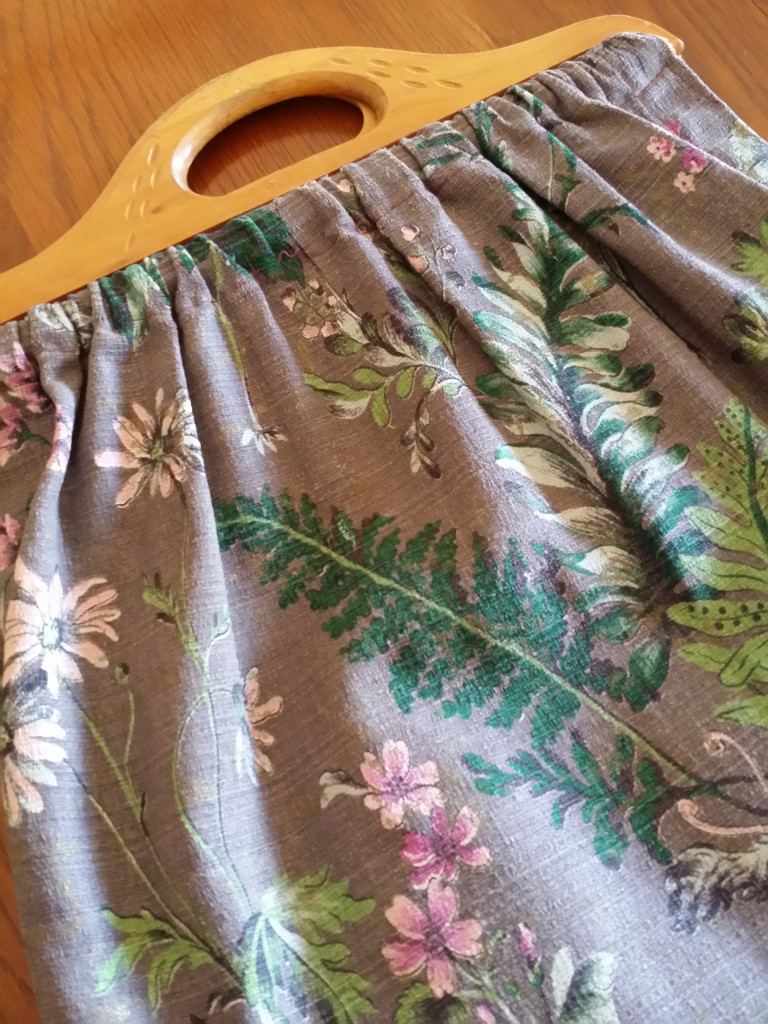
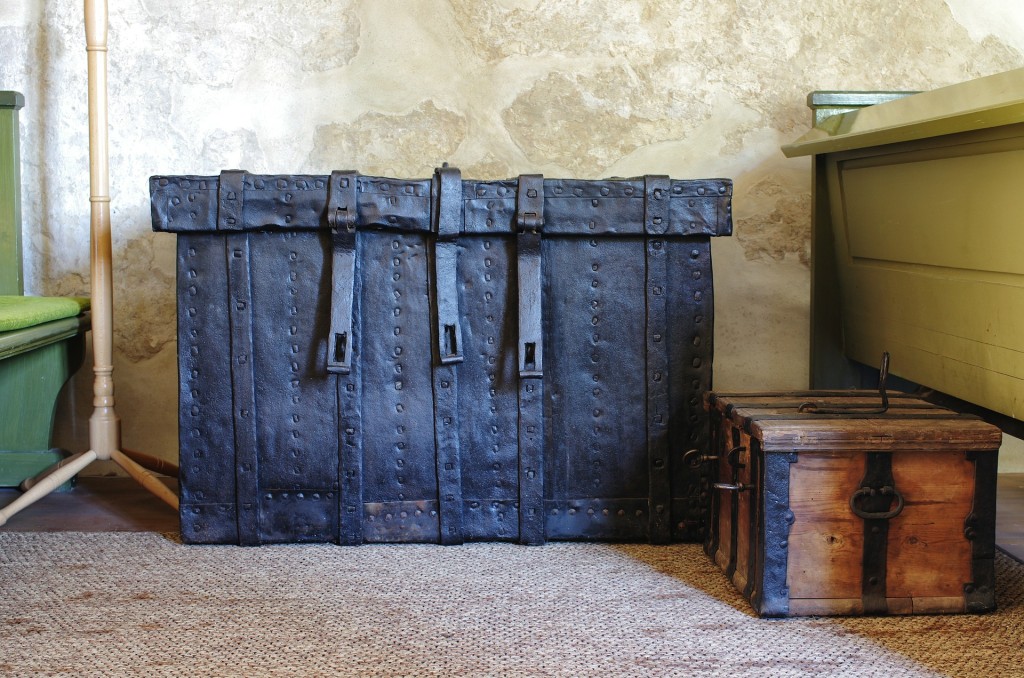
- As I write my stories, I ask myself: Is this a Satchel or Steamer Trunk Story? If it fits in my satchel category, I polish it until it glistens. Stories that belong in my steamer trunk are important too, but if they aren’t in mint condition and if I don’t get to finish the project, the stories that matter most will be complete. Over time, prioritizing my stories has become easier.
- When I’m done with a Legacy story, I ponder my next one. The one that pulls on my heart more than the others, I know this is my next story.
What I like most about this process is that I’m always writing the Legacy story that matters most.
Many Legacy Givers worry about putting their stories in order. Try not to stress about this too much. In the story montage, you are collecting, you may notice a pattern or rhythm to your memories, and you might discover several natural categories. These could be a chronological timeline of your life and experiences. Perhaps your Legacy resembles a mosaic – bits of this and that revealing the whole, colorful you. It’s possible the chapters of your life won’t require a noticeable order, but they will flow into a natural sequence.
I’ve likely mentioned this before, and it is worth repeating. Reading the Legacy stories of others is inspiring. I had the privilege of working on a book written by someone I admire a great deal. Joe Bonsall is a member of the Oak Ridge Boys as well as an excellent author. His book, From My Perspective, might be a fun and interesting resource for you. Joe is also the author of the bestselling G. I. Joe and Lillie – another great inspiration option. I’m a fan of the Oak Ridge Boys and hold the memory of working with him close to my heart. If you know about him, you might enjoy getting to know this Gator-riding, song-writing, banjo-picking, bird-watching, tenor on a deeper level. Joe is a Legacy Giver, and we who read his words are his Receivers. A word of warning: You might want to read Joe’s books with your idea catcher nearby. Here’s the link to Joe’s Amazon page.
Until Next Time,
Joy
 Tweet This
I am grateful to Pixabay for the free use of this awesome graphic. I don’t have to give them credit, but that hardly seems right.





2,495 Likes
Like3,471 Followers
Follow1,063 Followers
Follow270 Followers
Follow143 Followers
Follow